


Russia Is Present at the Venice Art Biennale
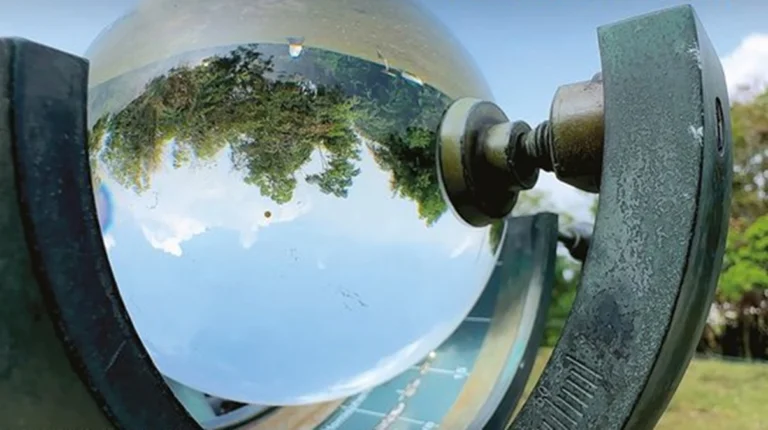
A work from the Republic of Nauru Pavilion, X/ @la_Biennale
May 6, 2026 Hour: 11:15 am
🔗 Comparte este artículo
Its pavilion return triggers backlash, resignations, and funding threats.
On May 9, the Venice Art Biennale will open its most problematic edition, mainly due to the storm of complaints, pressure and resignations sparked by the decision to allow the reopening of the Russia pavilion.
RELATED:
Ukraine Strikes Russian City of Cheboksary
During the preview held on Wednesday, Biennale President Pietrangelo Buttafuoco settled the controversy by arguing that his goal “is not to solve” the world’s problems but to “show them.”
“The only veto here is against preventive exclusion. I am concerned about prior censorship and statements that lead to a verdict without debate. The Biennale is not a court but a garden of peace,” he said.
The 61st International Art Exhibition of Venice will remain open until Nov. 22 to showcase artistic proposals from 100 countries around the world, seven of them for the first time, such as El Salvador, which will have its own pavilion.
The 2026 edition was supposed to follow the theme “In Minor Keys,” but in reality its preparations have been anything but calm. The first setback arose in May 2025, when its artistic director, Cameroonian Koyo Kouoh — the first African woman to hold this position — died suddenly.
The exhibition was meant to follow the lines already set by its late curator, but it has ultimately veered off course due to Buttafuoco’s decision to allow the return of Russia, excluded since 2022.
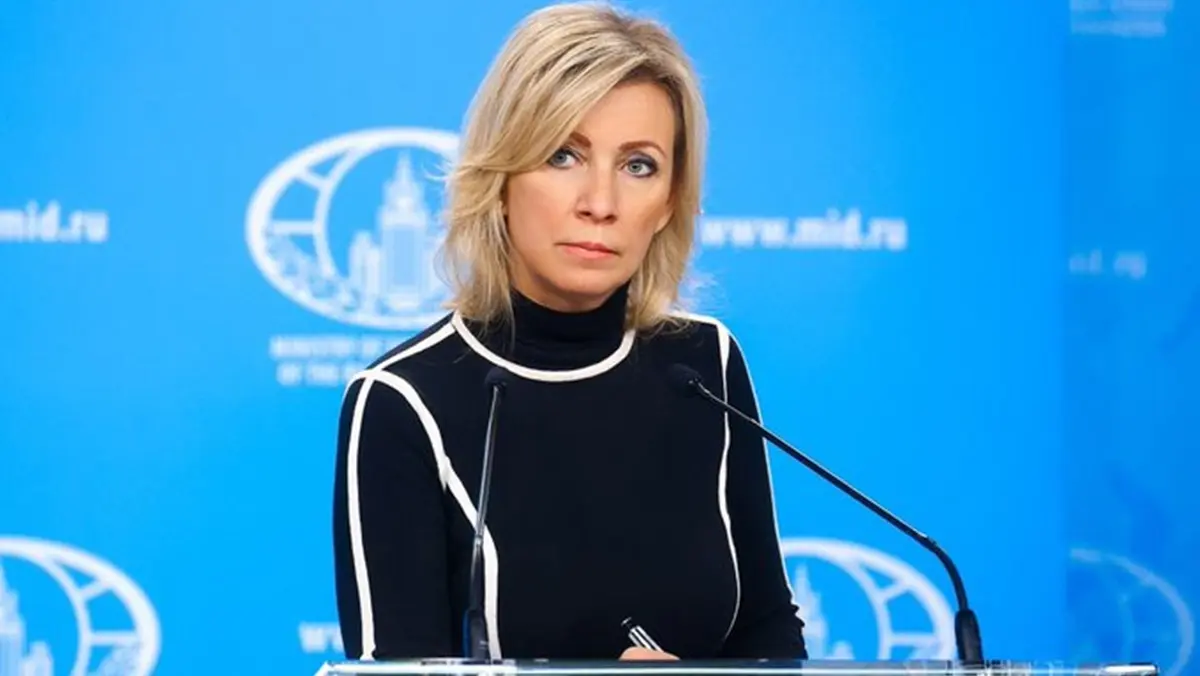
The text reads, “The Russian pavilion at the 61st Venice Biennale of Contemporary Art, which presents the project ‘The tree has its roots in the sky,’ created by a collective of Russian artists, has opened its doors with great enthusiasm and is much appreciated by visitors to the Biennale.”
He has reiterated that Venice must welcome all countries to provide an opportunity for dialogue through art. However, that position has angered many, from Italian Culture Minister Alessandro Giuli to the European Union, which has threatened to withdraw funding for contravening sanctions policy against Russia.
However, Buttafuoco has dug in on his position and resisted these pressures, despite the numerous fronts that have opened up. For example, the international jury that was to award Best Artist and Best National Pavilion initially decided to exclude Russia and also Israel from the awards over the genocide in Gaza. The response from the leadership was “no,” and as a result, the jury resigned en masse on April 30, days before the opening.
The Biennale’s final solution has been to open its doors while readmitting Russia and Israel and dispensing with the jury and the opening ceremony. The awards will ultimately be decided by visitors who pass through Venice over the coming months.
The Russia pavilion, one of the oldest, built in 1914, will remain open only for the first four days and afterward will be viewable only in video format, according to Russia’s ambassador to Italy, Alexei Paramonov.
The diplomat inaugurated it Wednesday and described it as “deplorable” that the Biennale’s leadership had been subjected to an “unacceptable and crude diktat” by EU bureaucrats.
Meanwhile, Iran, which had initially announced its participation in the Biennale, has decided to withdraw. In any case, Venice will become the world capital of art, and the various proposals can be visited in the Giardini, where the most prestigious pavilions are located, in the historic Arsenale or throughout the Venetian city center.
Among the 100 countries present at the Biennale will be Chile, Argentina, Brazil, Cuba, Ecuador, Guatemala, Mexico, Panama, Peru, Uruguay, the United States, China, Ukraine and the Vatican.
teleSUR/ JF
Source: EFE